 Fridge Friend Recipes
Scottish Shortbread recipe
A classic buttery Scottish shortbread in simple fingers, ideal for Burns Night or a tea-time snack.
40 min · Easy · Scottish Jump to method
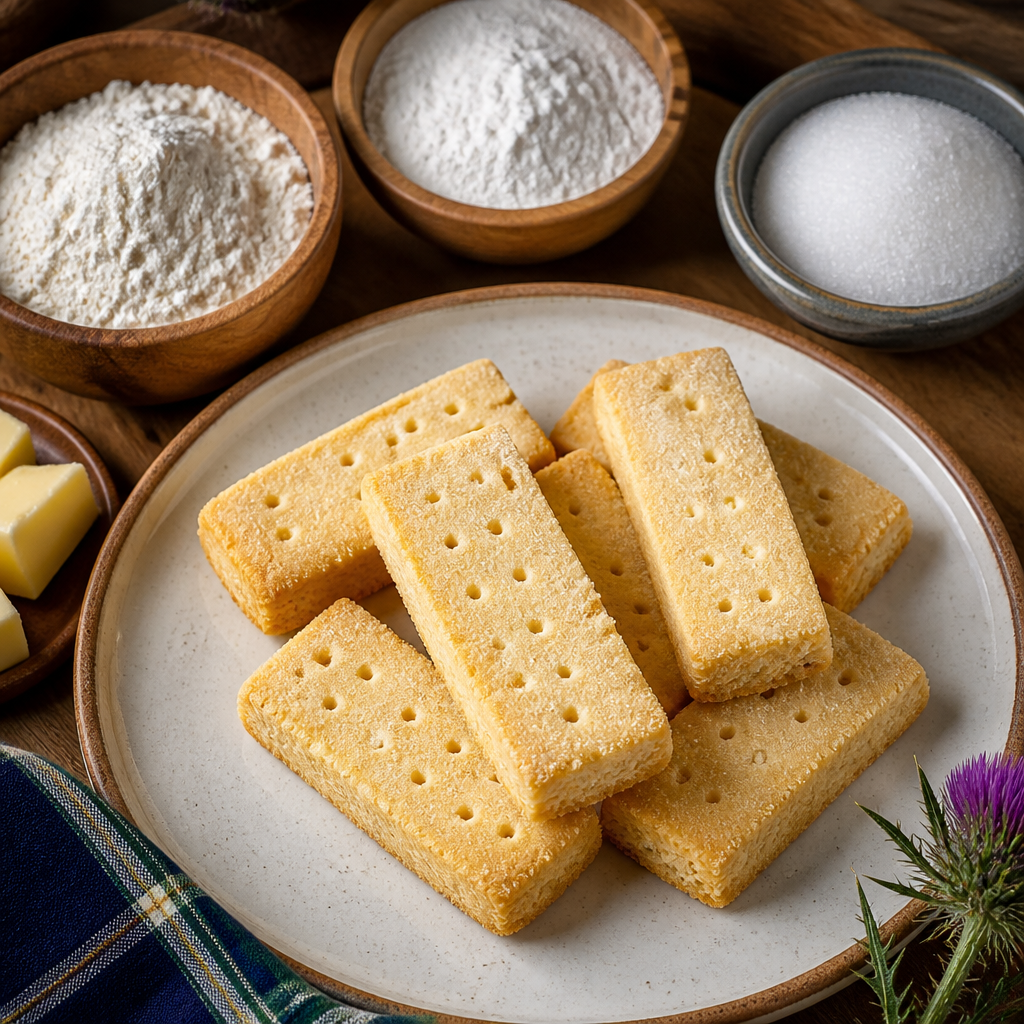
Ingredients
- 150 g plain flour
- 50 g rice flour
- 75 g caster sugar
- 150 g unsalted butter
- 1 pinch salt
| Nutrition | Per servingEstimated |
|---|---|
| Calories | 75 kcal |
| Protein | 0.7 g |
| Carbohydrates | 7.8 g |
| Fat | 4.3 g |
| Saturated fat | 2.7 g |
| Fibre | 0.2 g |
| Sugar | 2.6 g |
| Sodium | 5 mg |
Why this works
A small, energy-dense biscuit that is high in butter and refined flour, with modest sugar per serving but very low fibre, protein and micronutrient density.
Butter and saturated fat. Butter is the main source of fat here, so each serving provides a meaningful amount of saturated fat, which is worth watching if this is eaten regularly.
Low fibre and refined carbohydrate. Plain flour and rice flour provide little fibre, so this biscuit is not especially filling and has limited benefit for digestive health or blood sugar steadiness.
Small amount of sodium. With just a pinch of salt spread across 20 servings, the sodium content is very low per biscuit.
Method
- Preheat the oven to 160°C (Fan 140°C, 320°F, Gas Mark 3) and line a baking tin with baking paper.
Give the oven a full 15 minutes to settle at temperature so the shortbread bakes evenly rather than spreading or catching at the edges. Use a tin with a shallow lip if possible, as that helps the heat reach the base without over-browning the top.
- Cream the butter and caster sugar together until pale and smooth.
Stop as soon as the mixture looks lighter in colour and feels fluffy; if you beat it too long it can become greasy and the finished shortbread may lose its delicate crumb. Scrape down the bowl once or twice so no butter is left hiding at the bottom.
- Stir in the plain flour, rice flour and a pinch of salt until the mixture comes together into a soft dough.
Add the dry ingredients in one go and mix only until you no longer see dry flour, otherwise the dough can turn tough. If it seems crumbly, press a little with your hand rather than overworking it with the spoon.
- Press the dough evenly into the prepared tin and smooth the top with a fork.
Aim for an even thickness from corner to corner so the edges do not bake harder than the centre. Use the back of a spoon or a flat-bottomed glass to level the surface before marking it.
- Prick the surface all over and score into fingers.
Keep the holes and cuts neat and shallow so the dough does not puff unevenly or collapse at the edges. A fork dipped in flour will help it glide through without sticking.
- Bake for 25 to 30 minutes until pale golden at the edges.
Watch the colour rather than the clock: the shortbread should stay mostly pale with only a gentle biscuit tint around the edges. If the top starts to colour deeply, lower the tin a shelf and shield it loosely with foil.
- Cut along the scored lines while still warm, then leave to cool completely in the tin.
Use a sharp knife and repeat the score lines while the shortbread is still warm, before it firms up and cracks unpredictably. Let it cool fully in the tin so the buttery crumb sets properly and does not break apart when lifted.
Other recipes
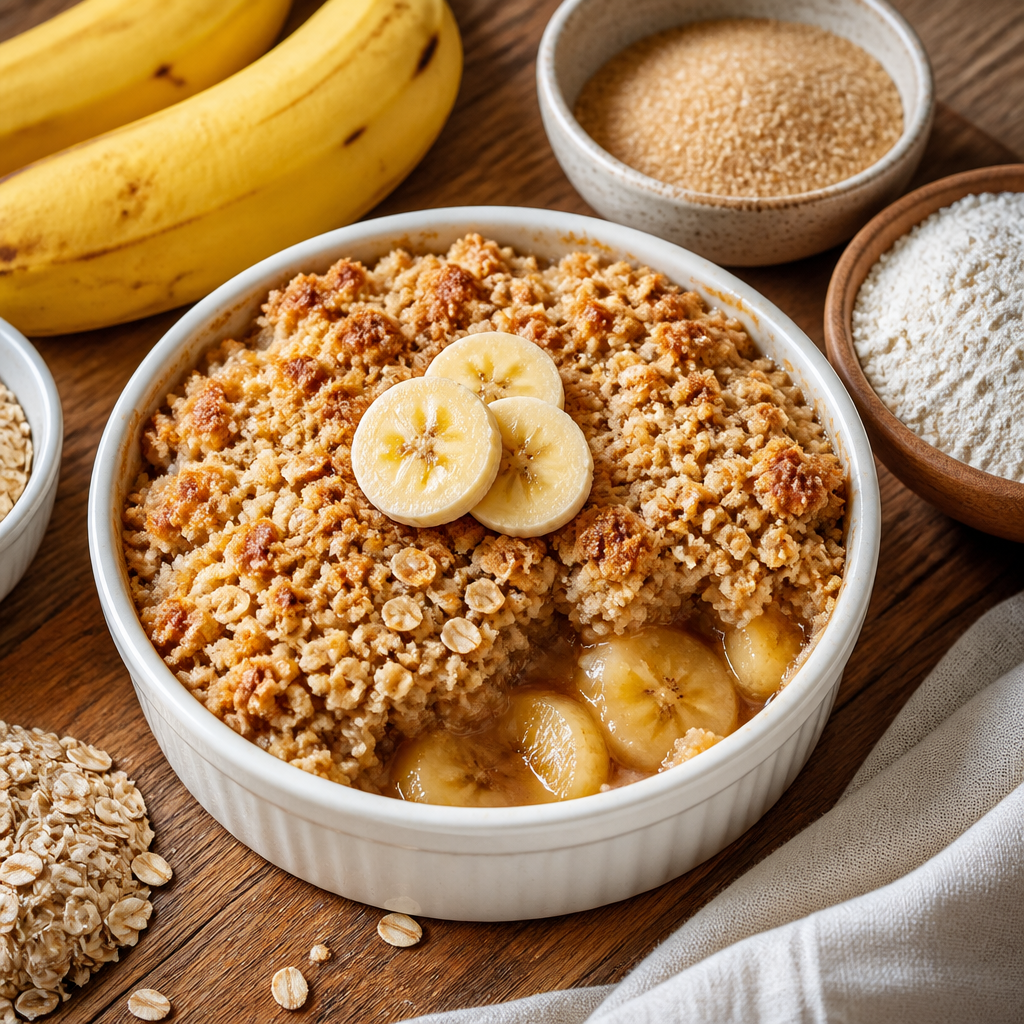
Banana Crumble
35 min · A simple, homely dessert with sweet bananas bubbling beneath a buttery oat topping. Serve warm for a comforting finish to any meal.
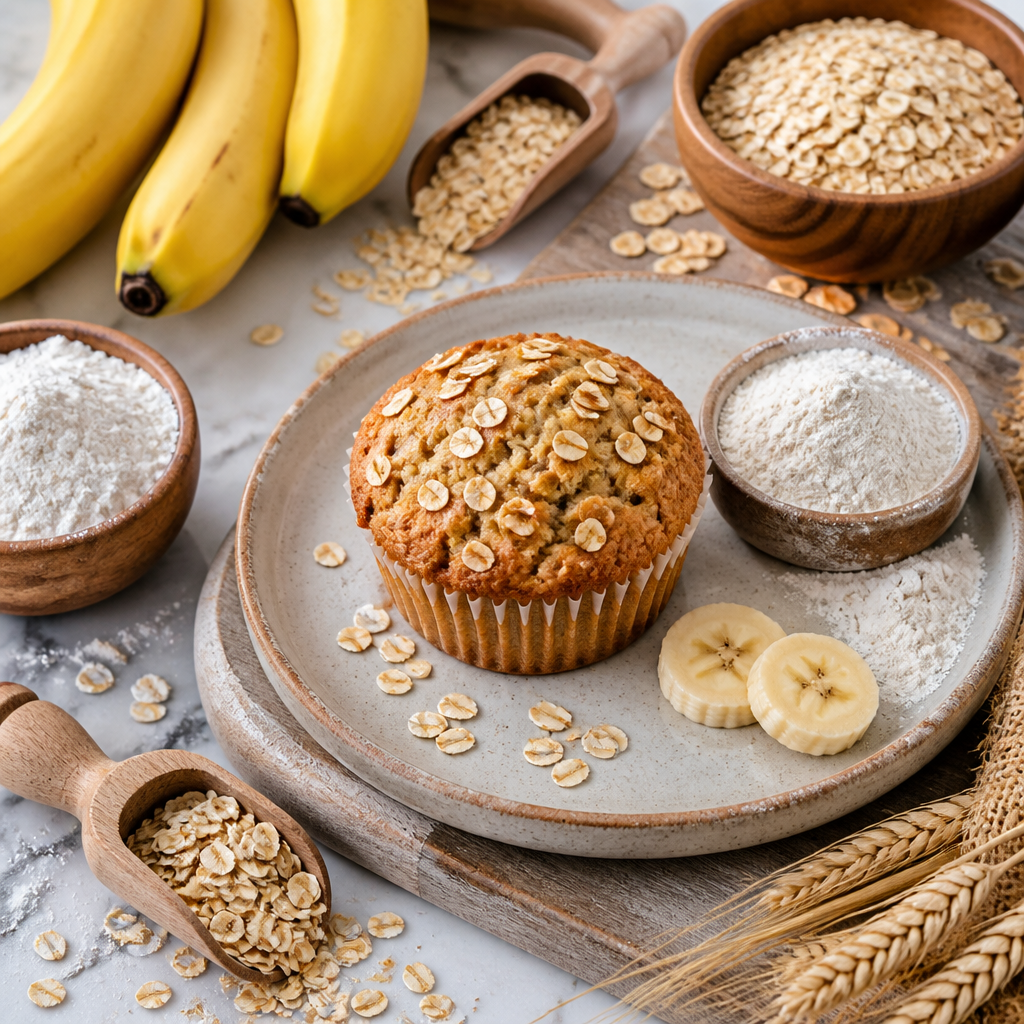
Banana Oat Muffins
25 min · Soft, wholesome muffins made with oats, bananas and a lightly sweetened crumb. They are a great make-ahead breakfast or snack.
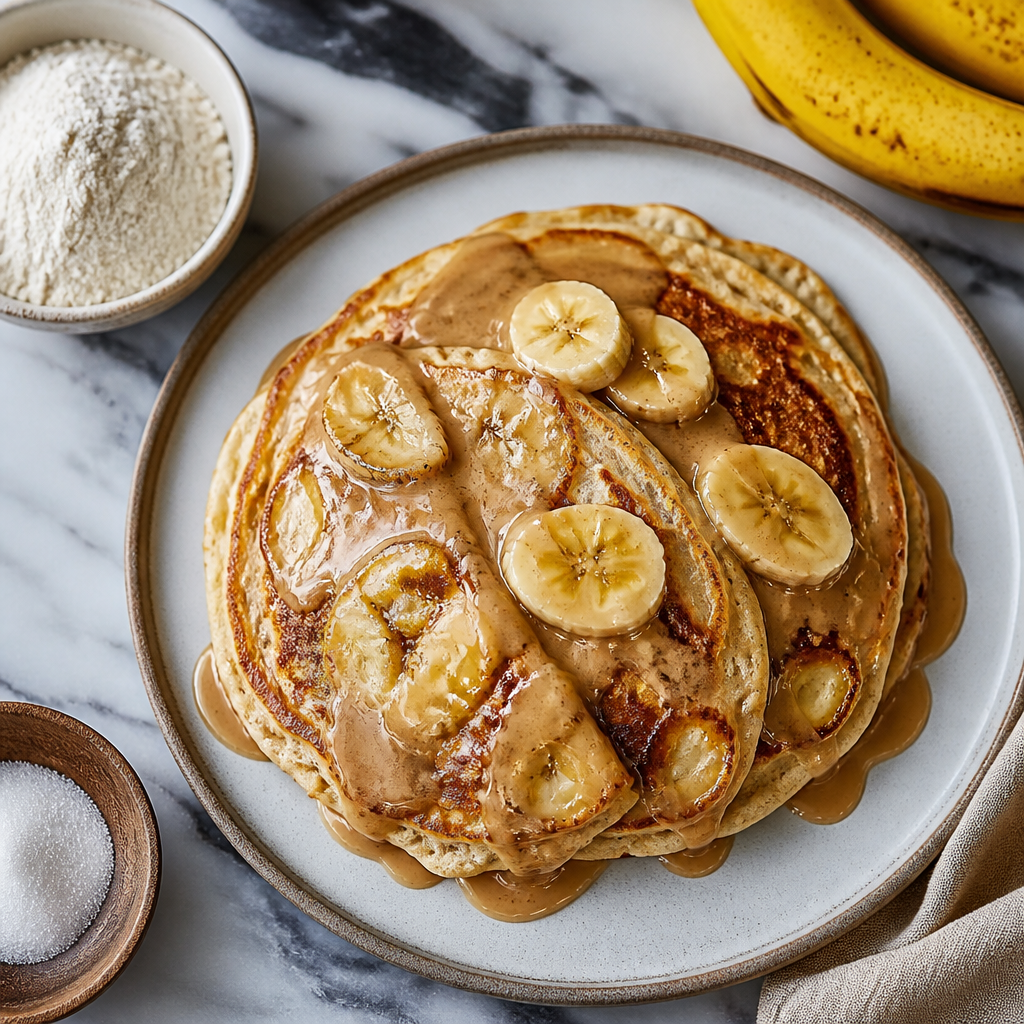
Banana Pancakes with Cappuccino Drizzle
20 min · Soft, fluffy pancakes with ripe banana folded into the batter and a sweet cappuccino glaze on top. Ideal for a leisurely breakfast or brunch.
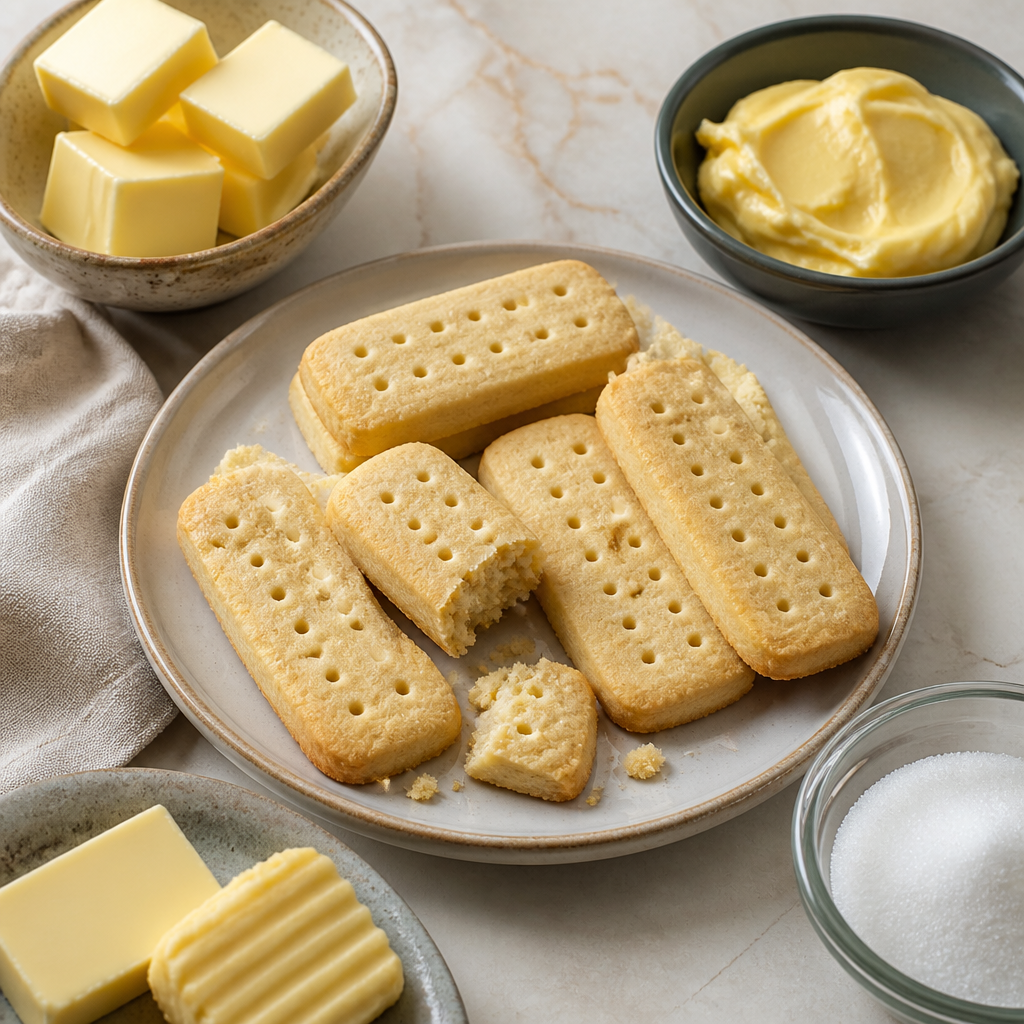
Banana Shortbread Biscuits
25 min · Buttery, crumbly biscuits with a gentle banana sweetness and a tender melt-in-the-mouth texture. They are simple to make and perfect with a cup of tea.
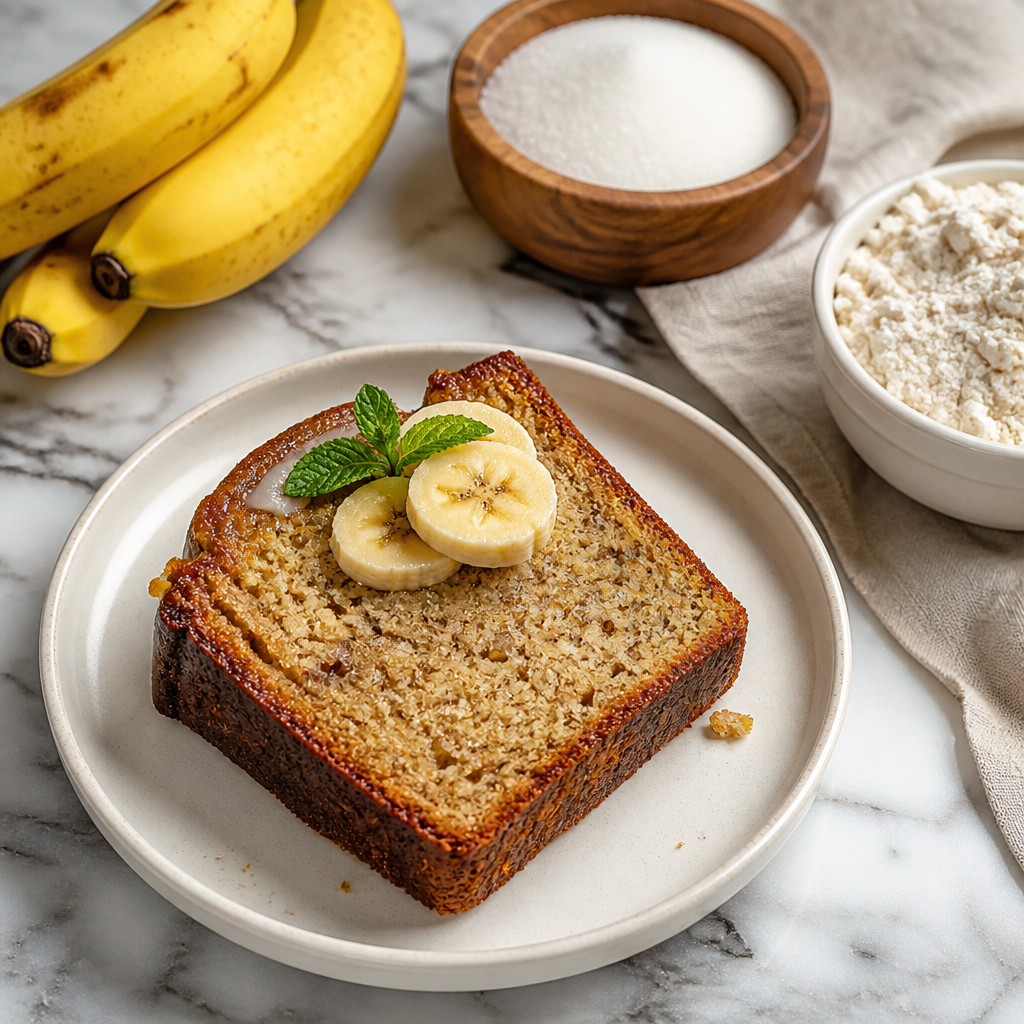
Cappuccino Banana Cake
45 min · A soft, fragrant loaf cake with banana sweetness and coffee-shop depth from Nescafé Cappuccino. It is ideal sliced thick for tea-time or dessert.
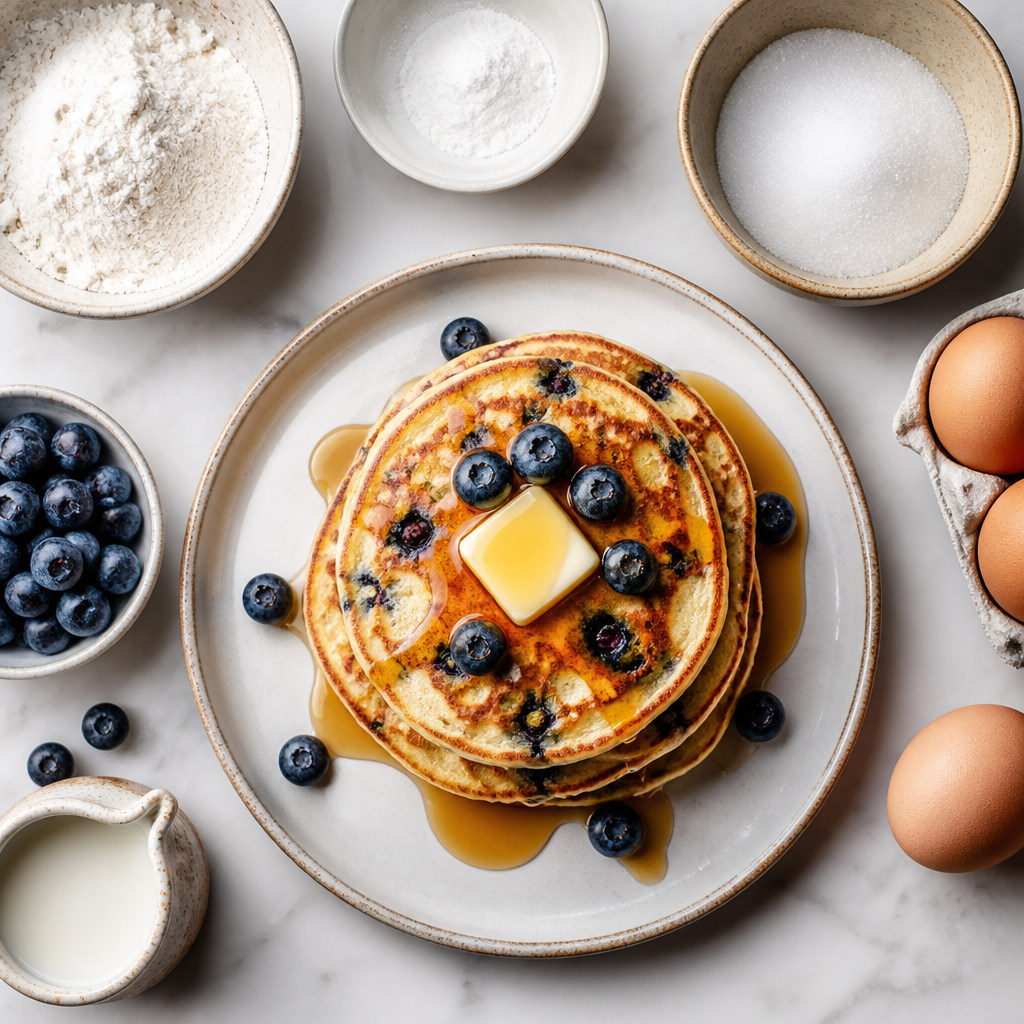
Blueberry Pancakes
20 min · Light, fluffy British-style pancakes dotted with juicy blueberries, perfect for a weekend breakfast or Pancake Day.
View category
Discover recipes from your fridge contents
Use the FridgeFriend app to recognise the ingredients already in your fridge and help you discover recipes.

