 Fridge Friend Recipes
Vegetable Biryani recipe
A fragrant layered rice dish with mixed vegetables, spices and herbs, suitable for a family dinner.
60 min · Medium · Indian Jump to method
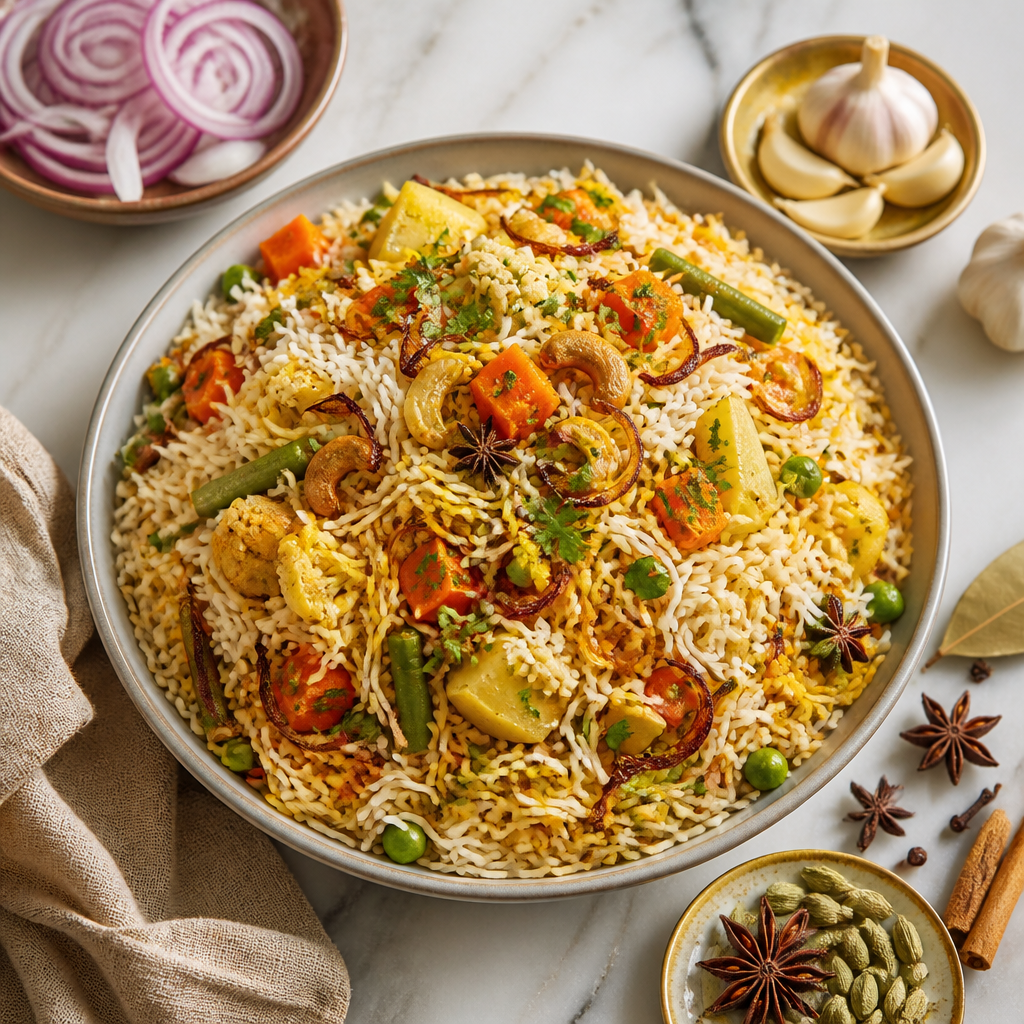
Ingredients
- 300 g basmati rice
- 1 large onion
- 3 cloves garlic
- 2 cm piece ginger
- 200 g cauliflower
- 1 medium carrot
- 100 g peas
- 1 medium potato
- 2 medium tomato
- 150 g plain yoghurt
- 2 tbsp ghee
- 1 tsp cumin seeds
- 1 tsp ground coriander
- 1 tsp turmeric
- 2 tsp garam masala
- 1 cinnamon stick
- 2 bay leaf
- 4 cardamom pods
- pinch saffron
- small handful mint
- small handful coriander leaves
- 1 lemon
| Nutrition | Per servingEstimated |
|---|---|
| Calories | 533 kcal |
| Protein | 11.8 g |
| Carbohydrates | 82.4 g |
| Fat | 16.4 g |
| Saturated fat | 8 g |
| Fibre | 6.5 g |
| Sugar | 7.4 g |
| Sodium | 122 mg |
Why this works
Moderate in energy and carbohydrates, with useful fibre and plant nutrients, but relatively high in saturated fat from ghee and not especially high in protein.
Vitamin C and antioxidants. Tomatoes, lemon, cauliflower, mint and coriander provide vitamin C and protective plant compounds, which support immune function and overall health.
Fibre and potassium. Vegetables and peas add fibre, potassium and some folate, helping gut health and supporting normal blood pressure.
Saturated fat concern. The main nutritional drawback is the 2 tbsp ghee, which raises saturated fat per serving.
Method
- Rinse the basmati rice until the water runs clear, then soak it for 20 minutes and drain.
Rub the grains gently with your fingertips in the water until it turns cloudy, then stop once it runs nearly clear so you do not break the rice and make it sticky. Drain it well in a sieve so there is no excess water to throw off the cooking later.
- Heat the ghee in a large lidded pan, then fry the onion until golden.
Let the ghee shimmer but not smoke, and keep the heat at medium so the onion colours evenly rather than catching at the edges. You are looking for a deep golden, sweet aroma, not brown bitter bits.
- Add the cumin seeds, cinnamon stick, bay leaf and cardamom pods, then cook for 30 seconds.
Bloom the whole spices just long enough for them to become fragrant and start to sizzle, which releases their oils into the fat. If the pan is too hot, the spices can scorch and turn harsh.
- Stir in the garlic and ginger, then add the ground coriander, turmeric and garam masala.
Add the ginger and garlic only once the heat has dropped slightly, so they fry without sticking or burning. Stir until the raw smell softens and the mixture looks glossy rather than wet.
- Add the cauliflower, carrot, potato, peas and tomato, then cook for 8 to 10 minutes until lightly softened.
Keep the vegetables moving so they are coated in the spiced fat, and watch for the tomato to break down and start forming a thick sauce. The potato should be just beginning to yield at the edges, not fully collapsing.
- Stir in the plain yoghurt, mint, coriander leaves and a squeeze of lemon.
Take the pan off the direct heat briefly if the yoghurt is very cold, then stir it in gradually to prevent splitting. The mixture should look creamy and lightly sauced, with the herbs still bright green.
- Add the drained rice and enough boiling water to cover by about 2 cm, then season lightly.
Pour in the boiling water carefully around the sides so you do not wash the spices and vegetables to the surface in clumps. The liquid should sit just above the rice, but not so high that the biryani turns soupy.
- Bring to a simmer, cover tightly and cook on a low heat for 18 to 20 minutes until the rice is tender.
Keep the lid sealed firmly and resist lifting it, as escaping steam is what finishes the rice evenly. If the heat is too high, the bottom will scorch before the centre is tender, so aim for the faintest simmer only.
- Rest off the heat for 10 minutes, then fluff up with a fork and serve hot.
Leave the pan undisturbed so the steam settles and the grains finish separating without turning mushy. When you fluff, use a light lifting motion rather than stirring, to keep the rice long and distinct.
Other recipes
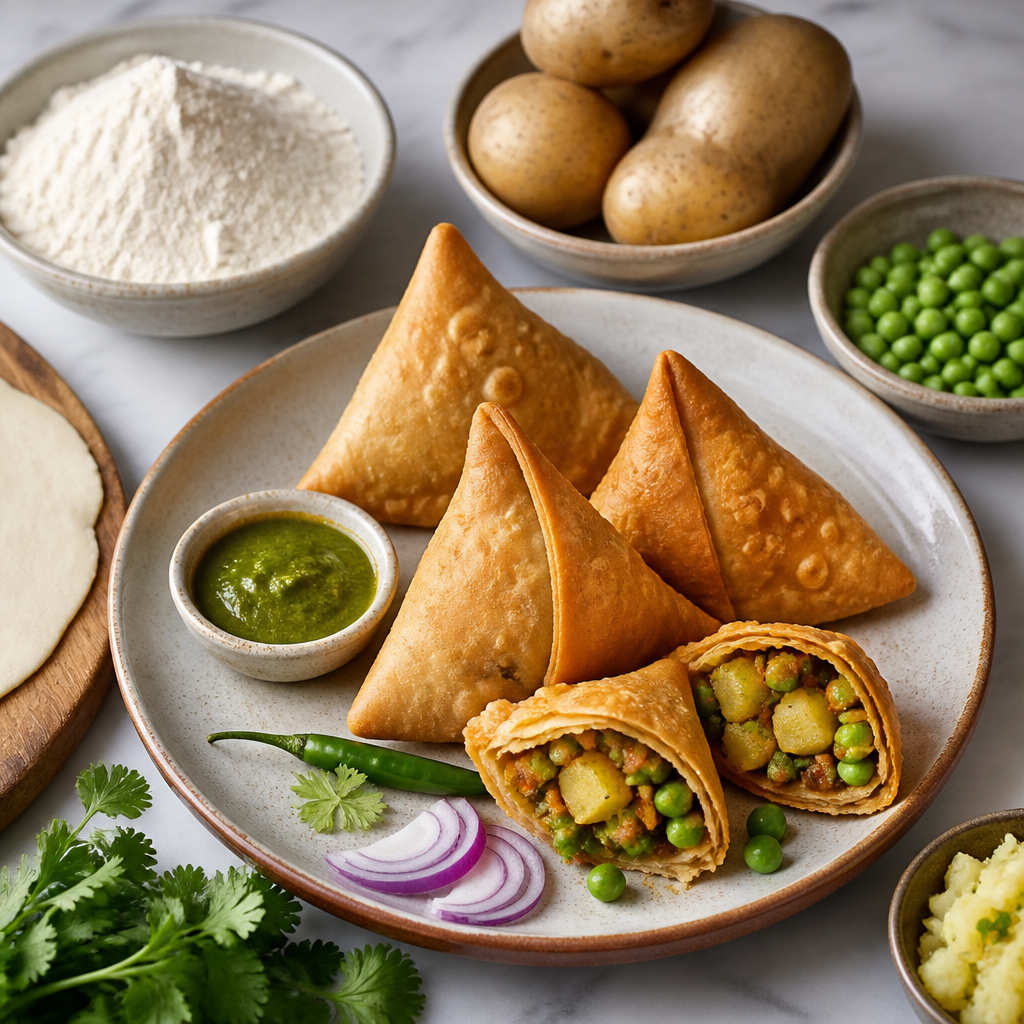
Vegetable Samosas
70 min · Crisp pastry triangles filled with spiced potato, peas and vegetables, a classic homemade snack for Diwali or any tea-time spread.
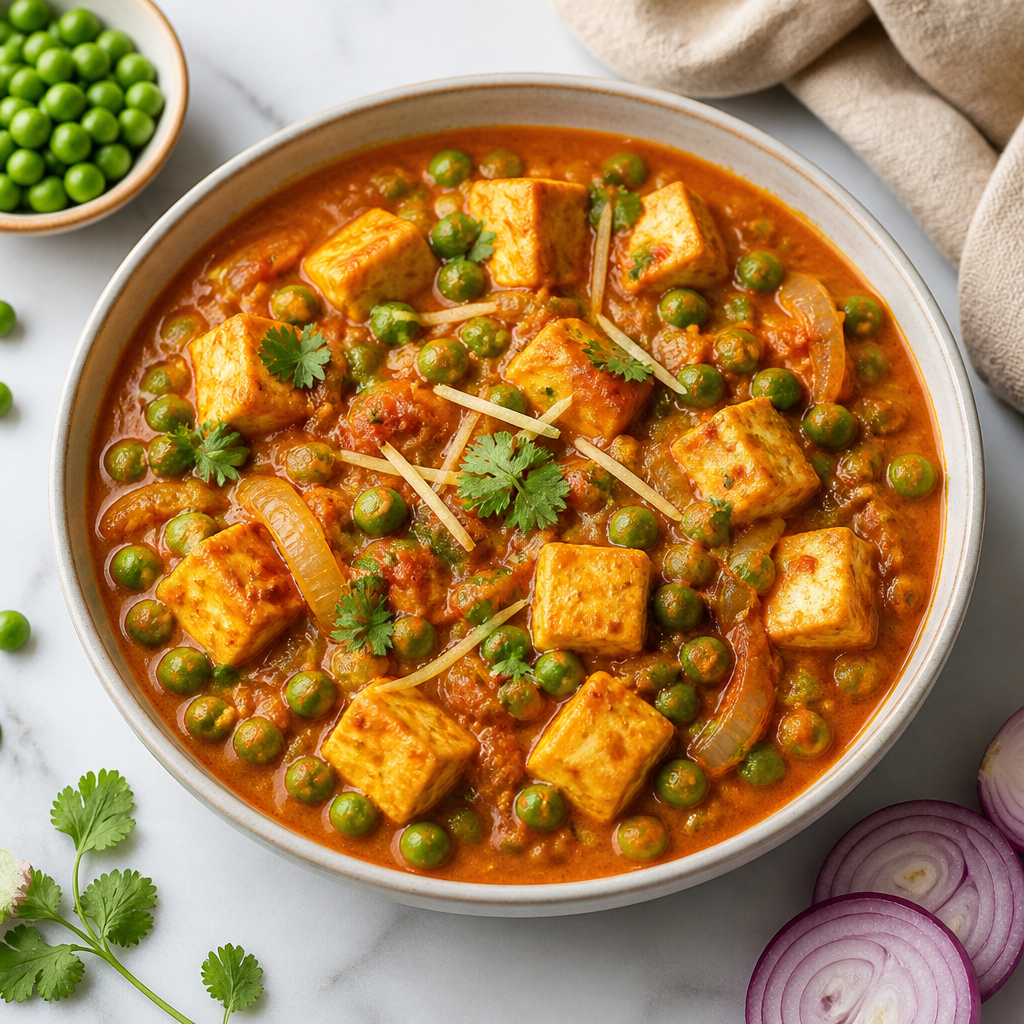
Matar Paneer
40 min · A comforting North Indian pea and paneer curry in a spiced tomato and onion gravy, suitable for a festive Diwali dinner.
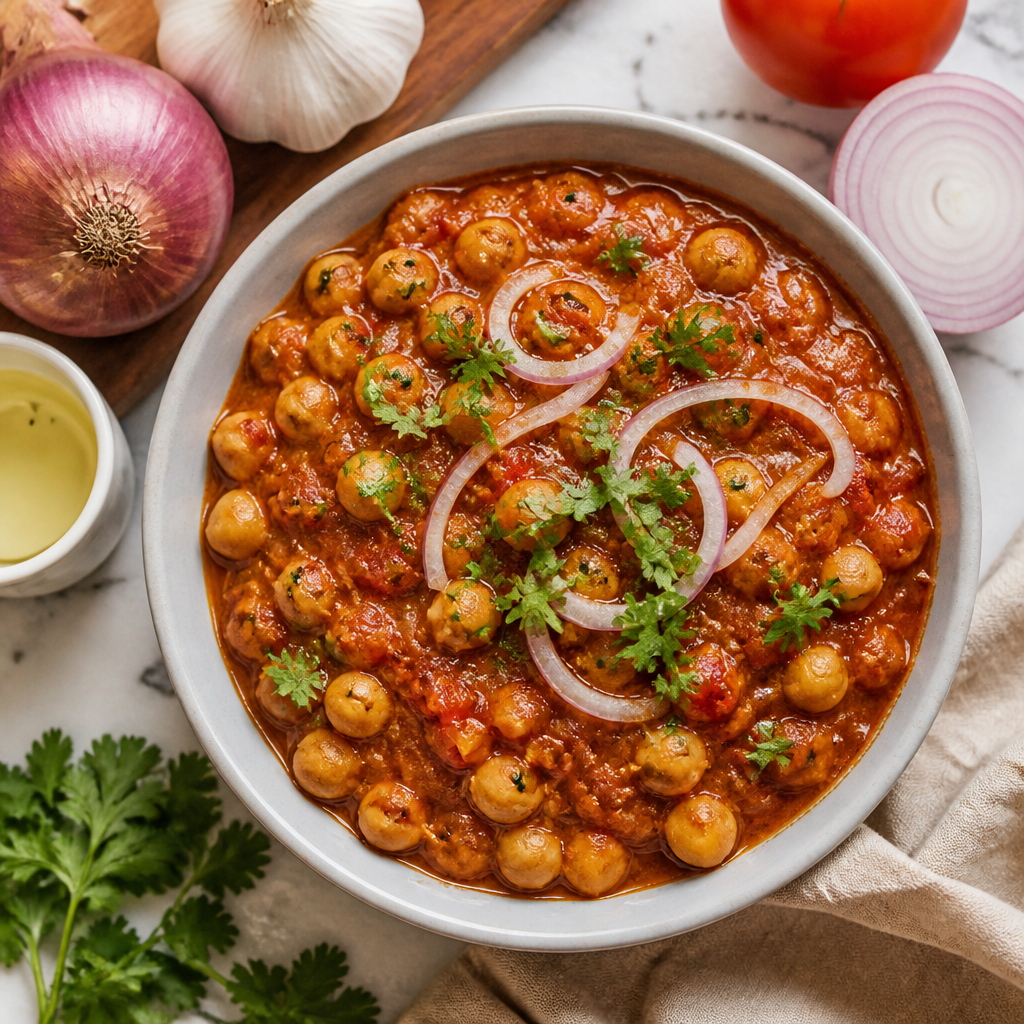
Chana Masala
40 min · A classic North Indian chickpea curry with onions, tomatoes and warming spices, served as a comforting dinner.
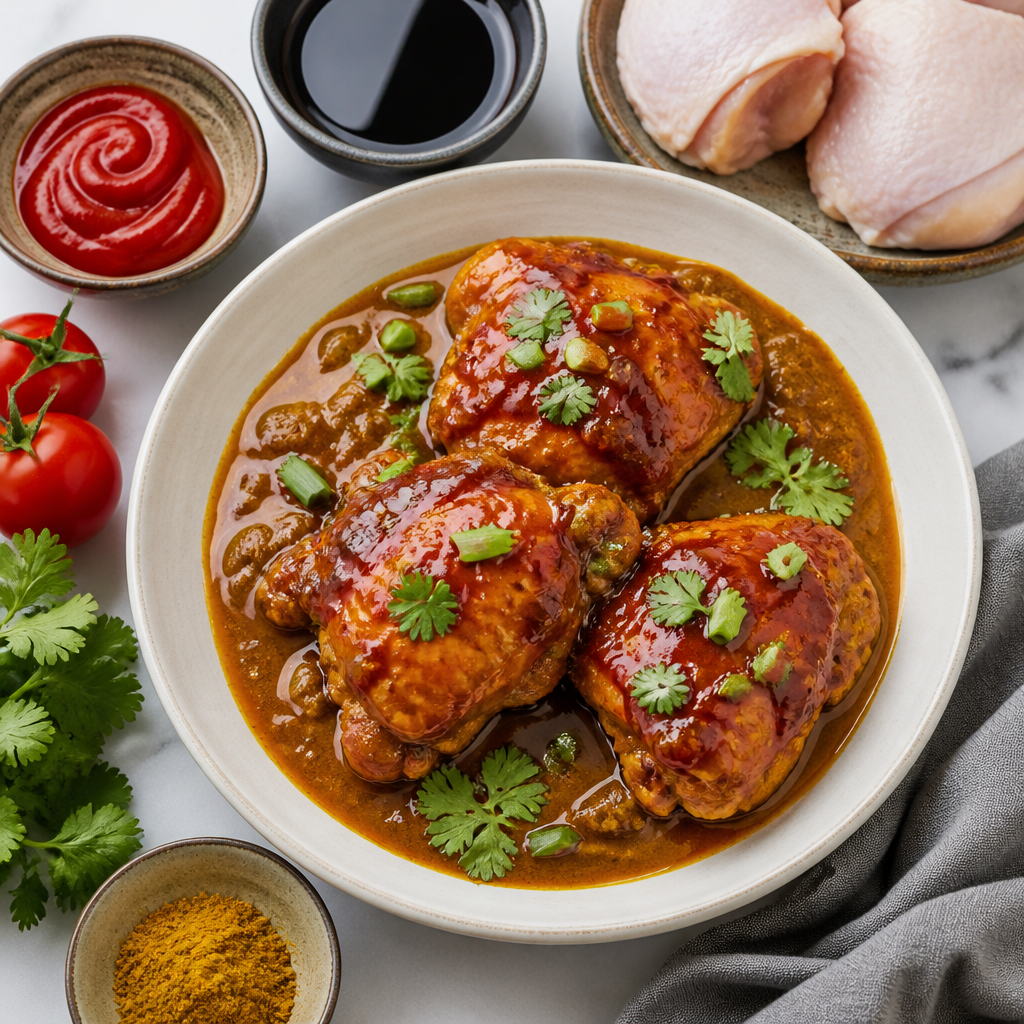
Garlic Yoghurt Chicken Curry
45 min · Tender chicken is marinated in yoghurt and simmered in a fragrant, garlic-rich sauce for a simple, comforting curry. The yoghurt gives the dish a lovely tang and creamy finish.
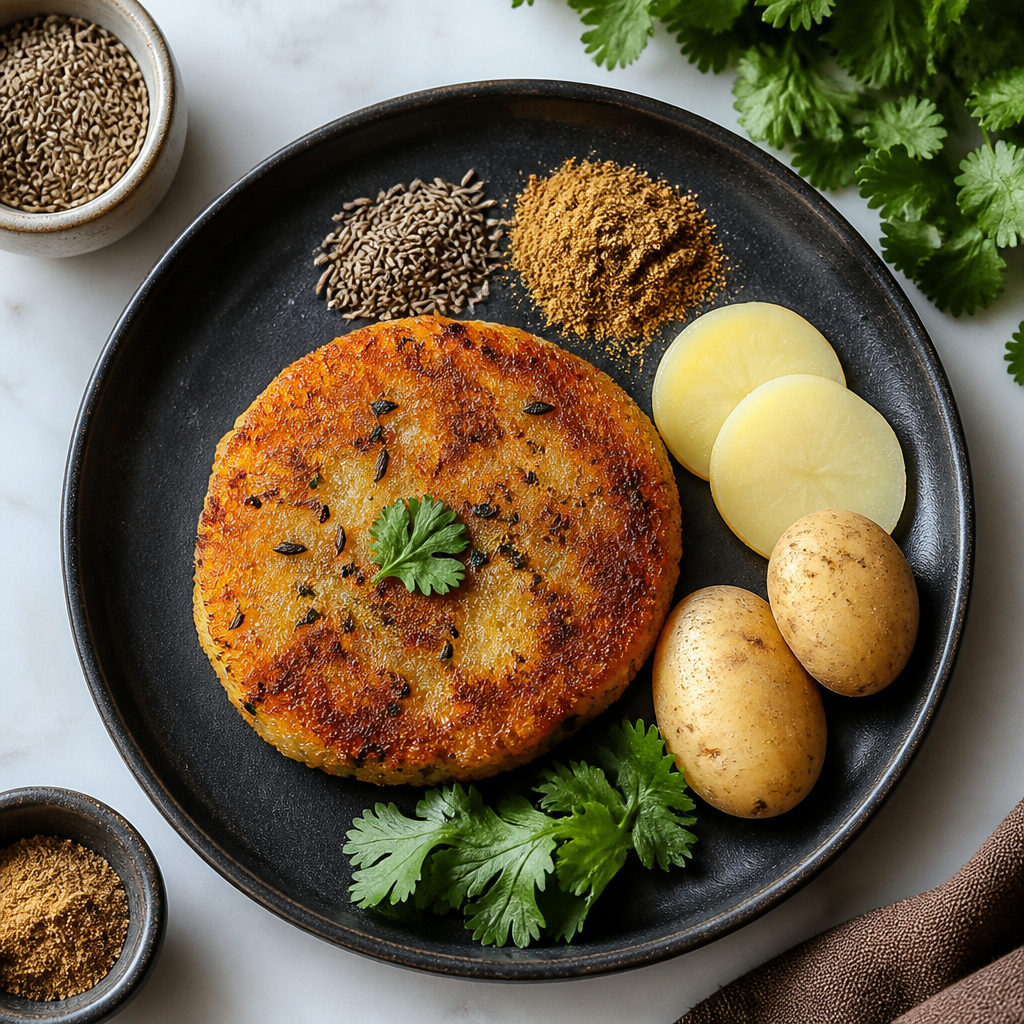
Aloo Tikki
35 min · Spiced potato patties pan-fried until crisp outside and soft inside, served as a savoury snack for Diwali or any teatime spread.
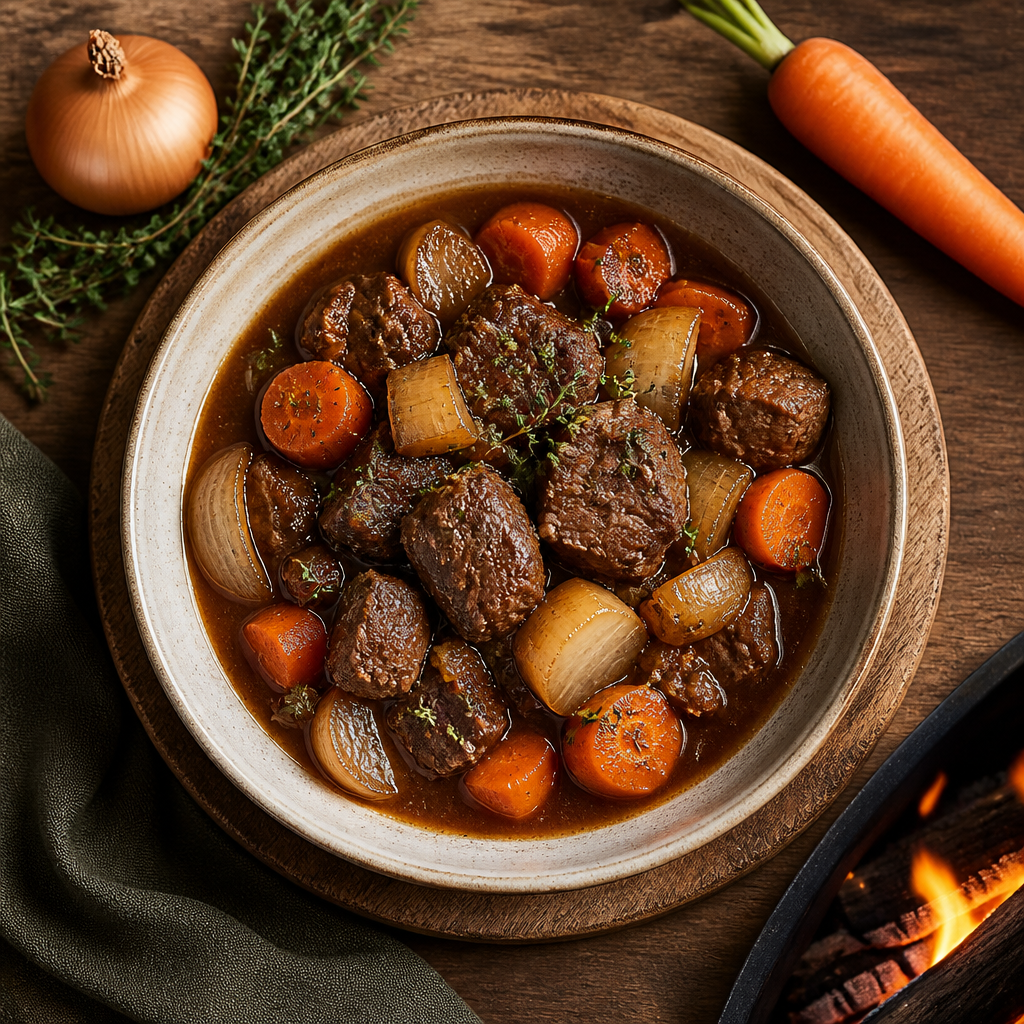
Beef Stew for Bonfire Night
150 min · A hearty British beef stew with root vegetables and thyme, perfect for a cold Bonfire Night supper.
View category
Discover recipes from your fridge contents
Use the FridgeFriend app to recognise the ingredients already in your fridge and help you discover recipes.

